
White Paper on adding Custom RISC-V
Instructions to QEMU
February 22nd, 2021 – Limerick, Ireland.
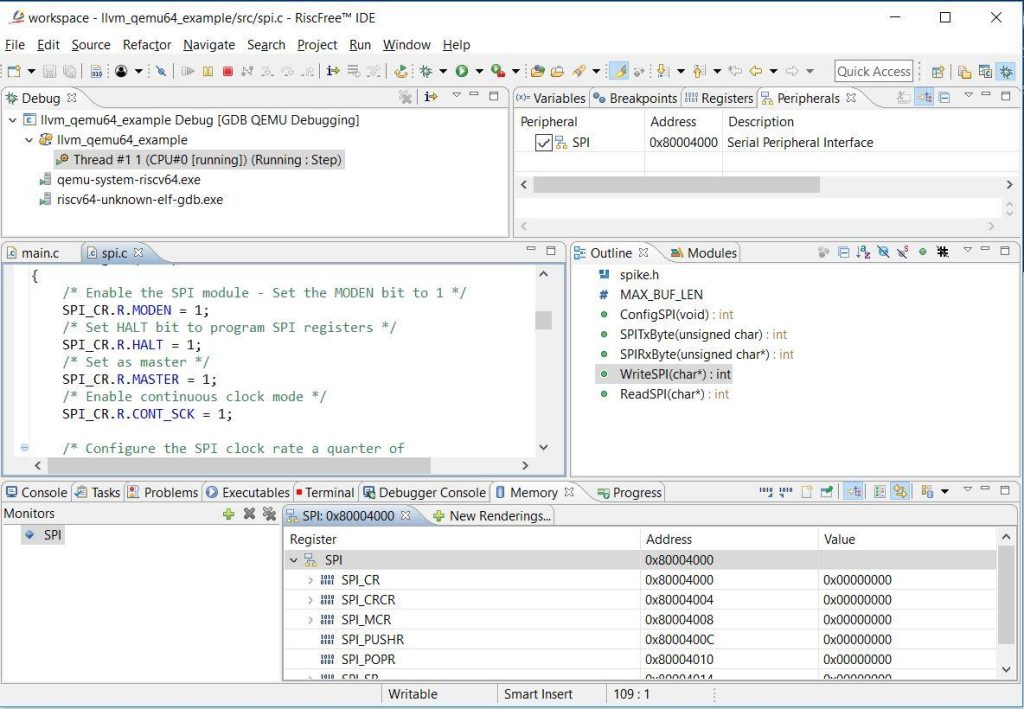
QEMU is a “Quick EMUlator” providing software-based emulation of core architectures including RISC-V and Arm. QEMU supports standard ISAs (e.g., RV32I, RV64I) and can be extended to include custom instructions. This white paper shows how to add a unique custom instruction to QEMU and debug it in Ashling’s RiscFree™ IDE .
Adding a custom instruction requires modifying QEMU source and rebuilding. You’ll need familiarity with:
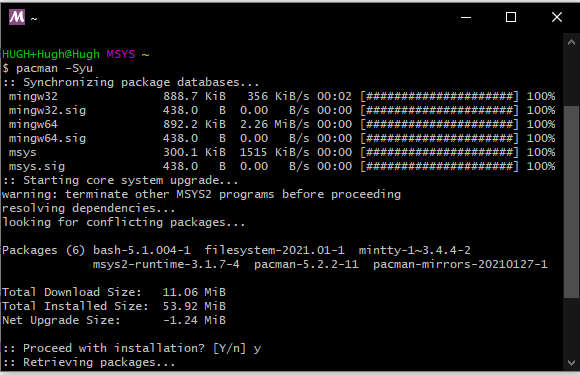
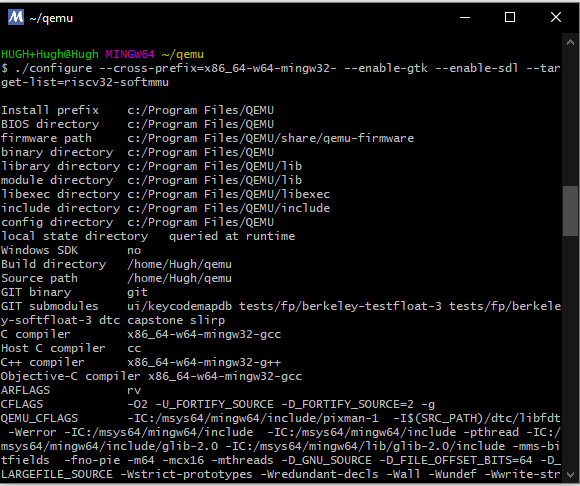
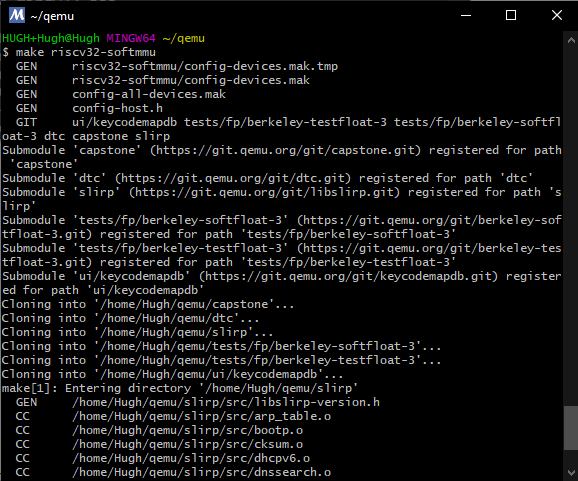
The process on Windows™ with MSYS2 involves :
The custom R-type instruction BITCNT counts total set bits in two registers :
BITCNT  dest-t0, src1-t1, src2-t2

// Example:
A2 = 0x00003000
A3 = 0xF000000F
BITCNT A1, A2, A3
// A1 = 0x0000000A (10 bits set)
Add encoding in insn32.decode :
BITCNT 0100000 ..... ..... 111 ..... 0110011 @r
Implement translator in trans_rvi.inc.c :
static bool trans_bitcnt(DisasContext *ctx, arg_bitcnt *a) {
    // Count bits in rs1 + rs2 and store in rd
    ...
    return true;
}
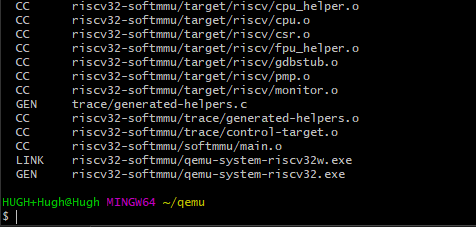
Rebuild QEMU and replace qemu-system-riscv32.exe in the RiscFree installation .
Use inline assembly to test the instruction :
asm(".word 0x40D675B3"); // bitcnt a1, a2, a3
Set breakpoints, step execution, and observe register updates (e.g., a1 = 0x0A after BITCNT executes). Figures in the paper show RiscFree™ capturing the instruction execution .
QEMU can be extended to support custom RISC-V instructions, allowing validation and debug before silicon implementation. Ashling’s RiscFree™ IDE integrates seamlessly, enabling developers to simulate and debug custom ISA extensions .
For details, contact Hugh O’Keeffe (hugh.okeeffe@ashling.com) or visit Ashling’s services pages: Compilers, IDEs, Simulators | Tools-as-a-Service™ (TaaS) .
All trademarks, logos and brand names are the property of their respective owners.